
The Brisket That Built a Neighborhood
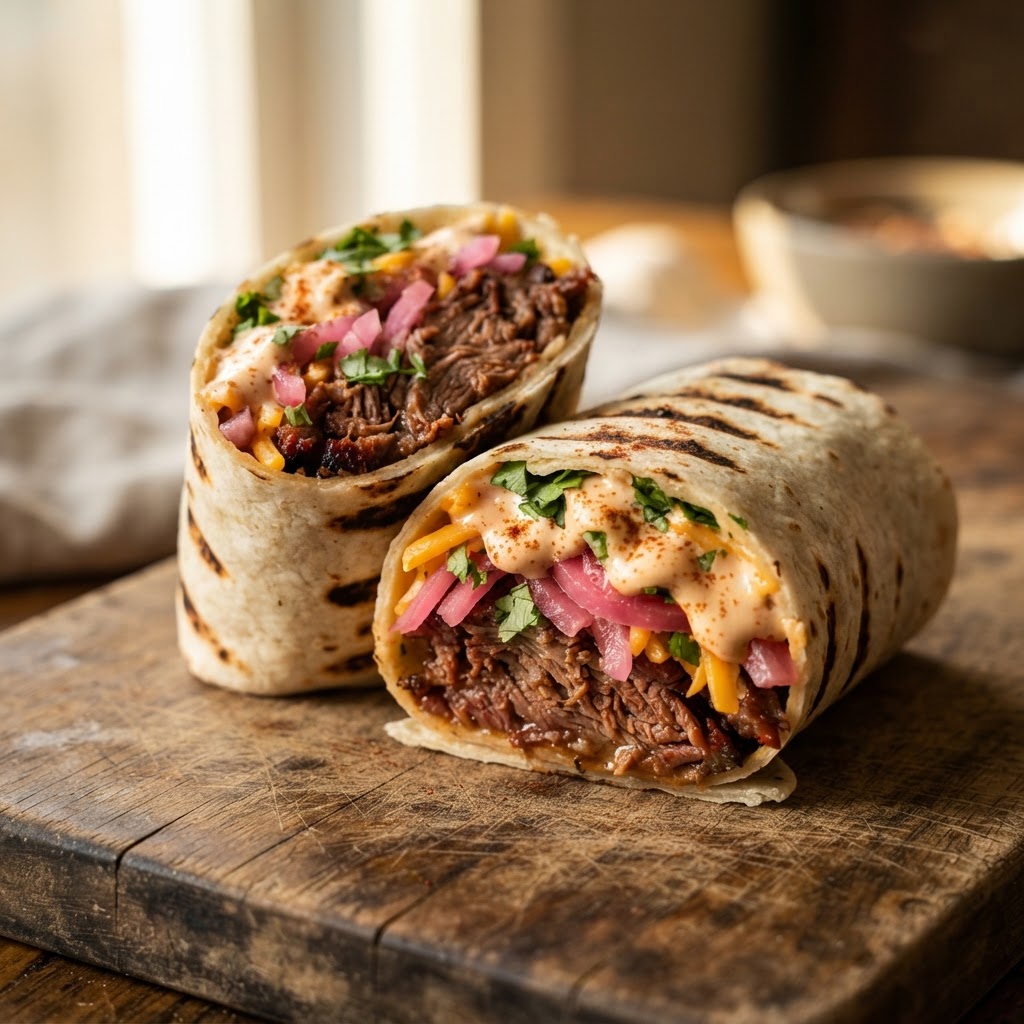
Long before sunrise, the pit is already three hours into its work. This is the tradition Houston's Third Ward has kept alive since the 1960s, where a single smoker can run for twelve hours without a moment of neglect.
Brisket here isn't a menu item — it's an inheritance. Houston's relationship with barbecue is different from the rest of Texas. This is a port city, a refinery city, a city built on shift work — and brisket became the food of people who needed something ready when they got off at 6 AM or midnight, something that had been tended all night by someone who understood that some jobs can't be rushed.
Chef Pat didn't grow up in this tradition. He came to it the way he comes to everything: by apprenticing himself to the people who'd spent decades getting it right, and asking more questions than any of them wanted to answer at 4:30 AM — the hour our brisket goes into the smoker.
You don't rush the meat. The meat tells you when it's ready.
Pitmaster, Third Ward
The bark forms slow, a mahogany crust built from nothing but post oak smoke, salt, and time. Slice it and the smoke ring glows pink for a full half inch — proof of a fire tended, not just lit.
That smoke ring isn't decorative. It's a chemical reaction between the meat's myoglobin and the nitrogen dioxide produced by burning wood, and it only forms in the first few hours of cooking, before the surface temperature climbs too high. Miss that window and you've lost it permanently.
The post oak burns at a lower, steadier temperature than mesquite or hickory — less acrid smoke, more consistent heat over the full 12-hour cook. Chef Pat sources his brisket from a Brazos Valley ranch, choosing cuts with the fat cap thick enough to baste the meat through the entire cook without drying it out.
Houston's humidity is brutal on a long cook, so the brisket gets wrapped in unwaxed butcher paper at the stall — that maddening point around 165 degrees where the internal temperature refuses to climb because surface evaporation is cooling it faster than the smoke can heat it. Foil would trap too much steam and soften the bark; the paper lets it breathe just enough to push through. Once it rests, it's pulled, piled with pickled red onion and sharp cheddar, and finished with a chipotle aioli that echoes the smoke instead of masking it.
L.LeSure