DearHouston,
A culinary love letter to the city written through amazing food and experiences.
This is the story of a Culinary Institute of America New York -trained chef from Lafayette, Louisiana who chose a city, and what he decided to do about it every morning at 5:30 AM.
NOBODY WAS
ASKING OUT LOUD
There is a man in a kitchen at 5:30 in the morning who doesn't have to be there.
He trained at the Culinary Institute of America in New York. He could be running a restaurant with his name above the door, cooking for critics, building the kind of career that gets written about. He chose a kitchen in Houston, Texas. He chose to carry that kitchen into other people's rooms, weddings and gallery openings and holiday tables, and feed them like they were his own. He chose to press juice before dawn and pour it from a bar at your event that afternoon. He chose to cook forty trays of one dish, once, and let the city decide how fast they go.
His name is Chef Pat. He's from Lafayette, Louisiana. Gourmet catering is the kitchen's main work: the food he carries into your room. Everything else on this page grows out of it. And every morning, without exception, he writes Houston a letter.
Catering is the work, but the Press Bar is another way the kitchen enters a room, and it is where the morning begins. Before the burner catches, before a single tray is filled, the press has already finished its work — a thousand pounds kneading the cell wall until the fiber yields. Nothing cooked. Nothing saved. What you drink today was green at dawn.
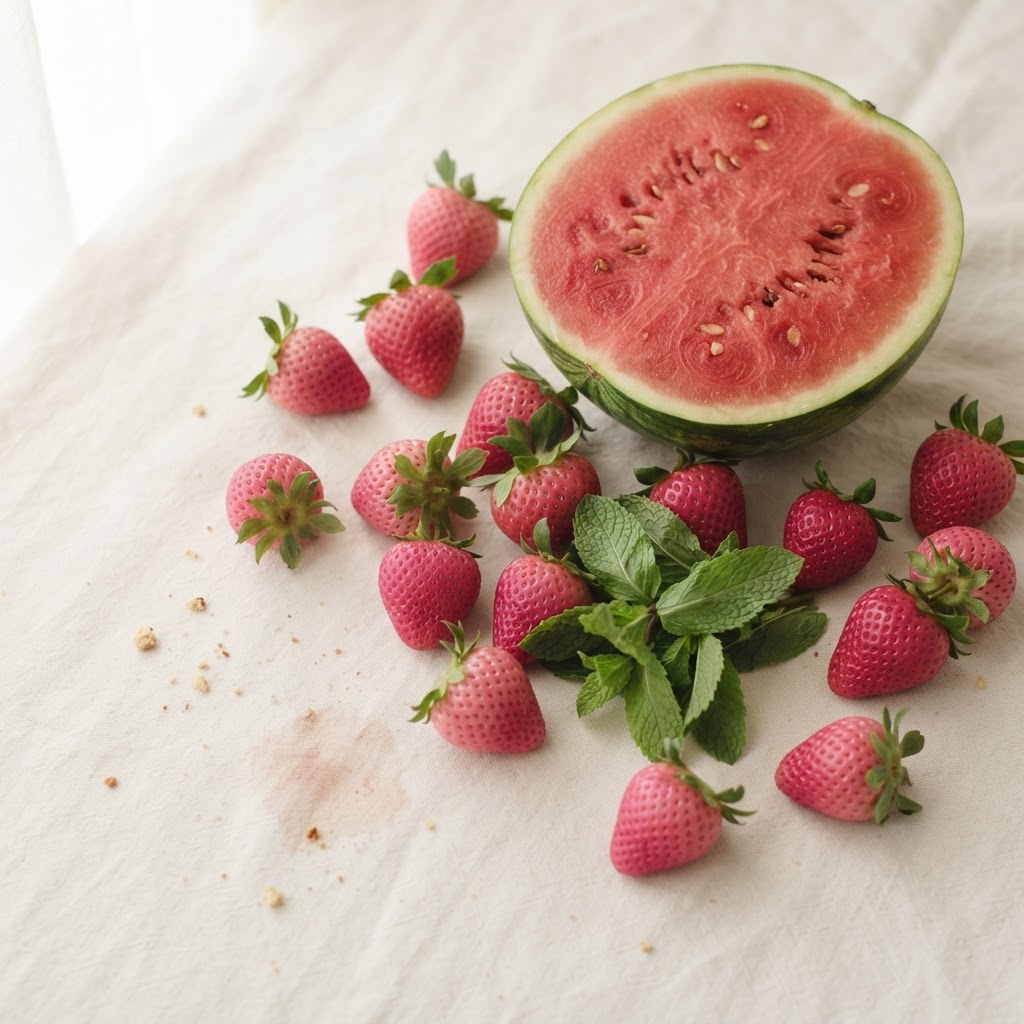
By afternoon these presses are behind a bar we built in your room, poured over ice for guests at a wedding, an opening, a launch. The Press Bar is the kitchen's quieter voice: same hands, same morning, a second way into your event.
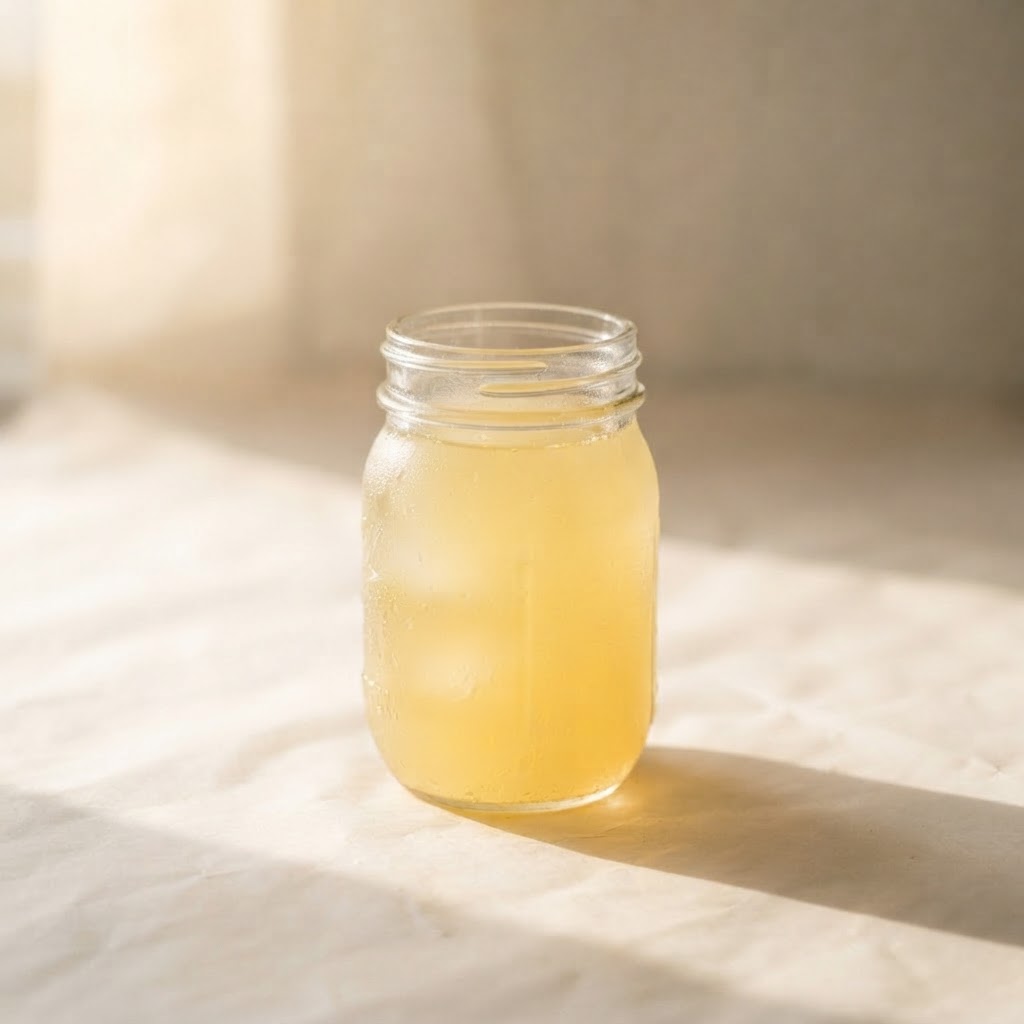
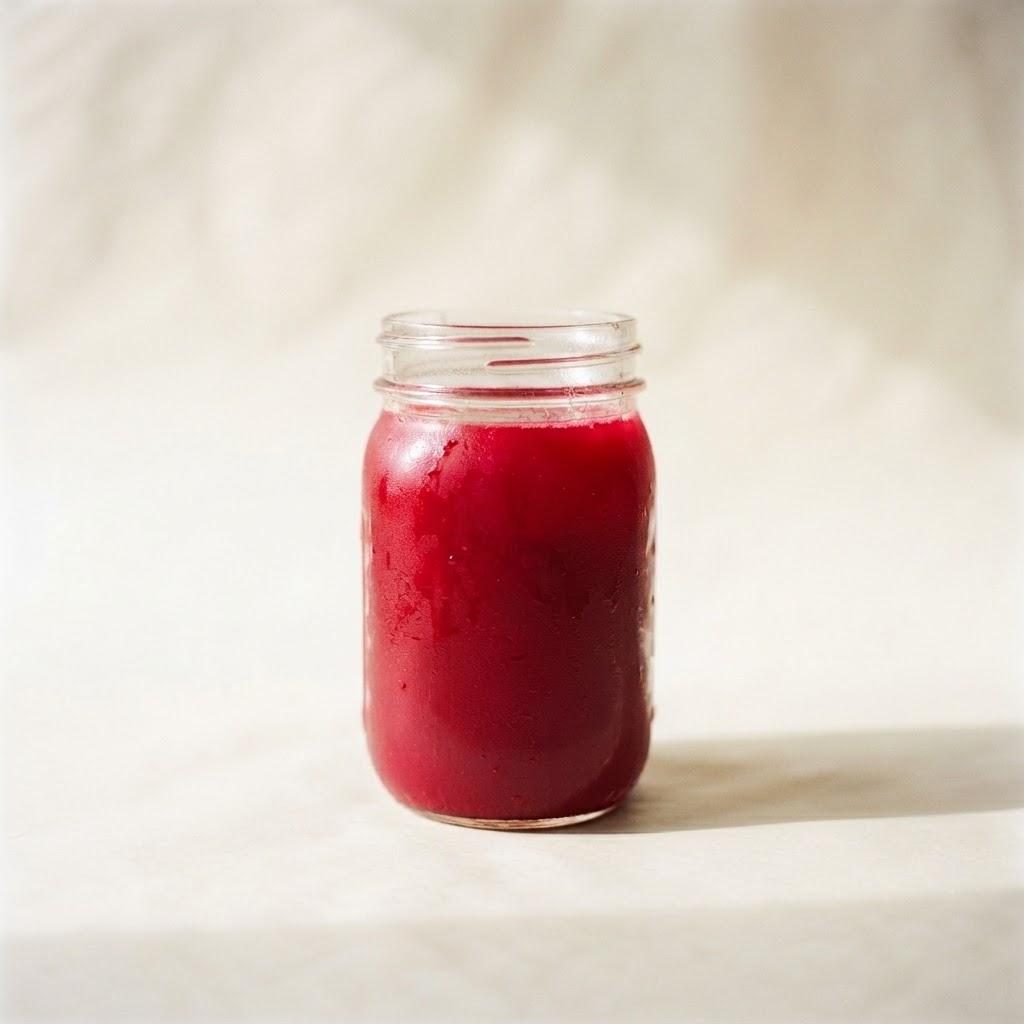
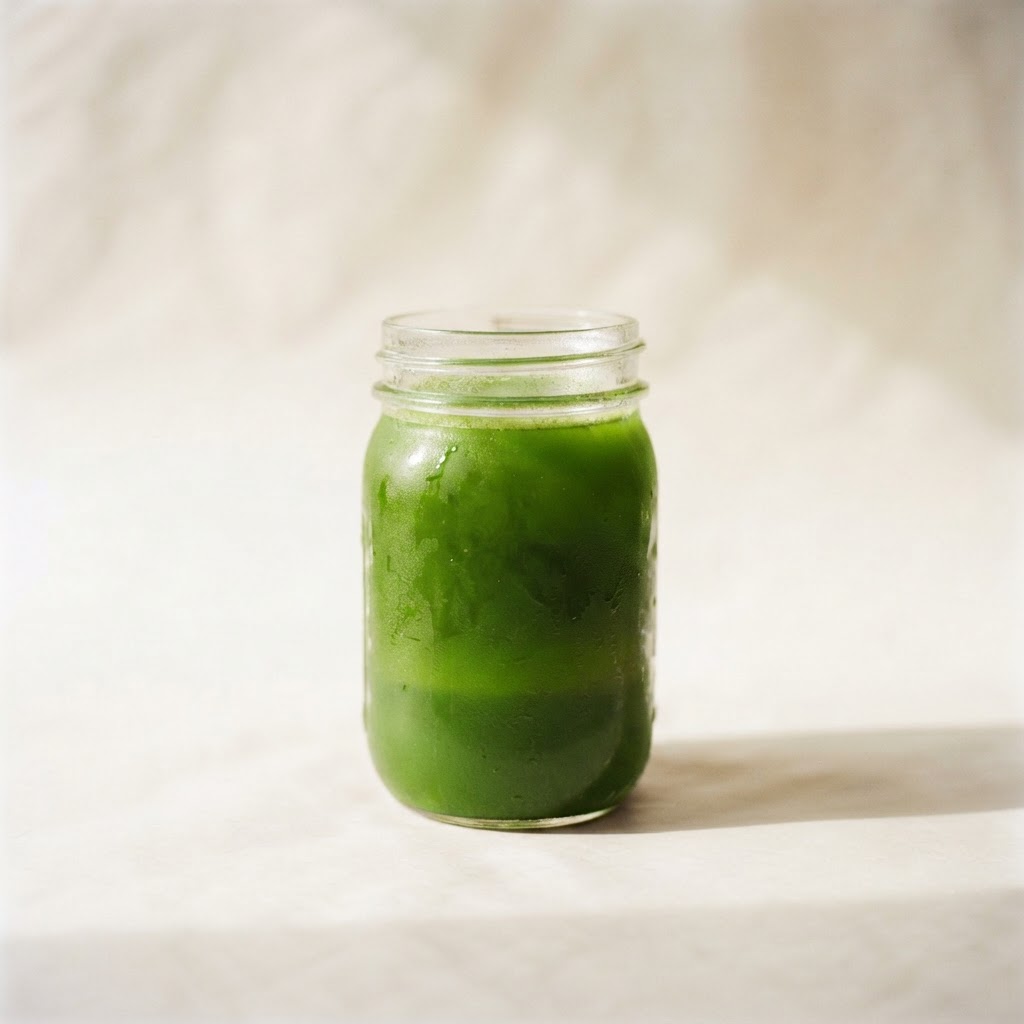
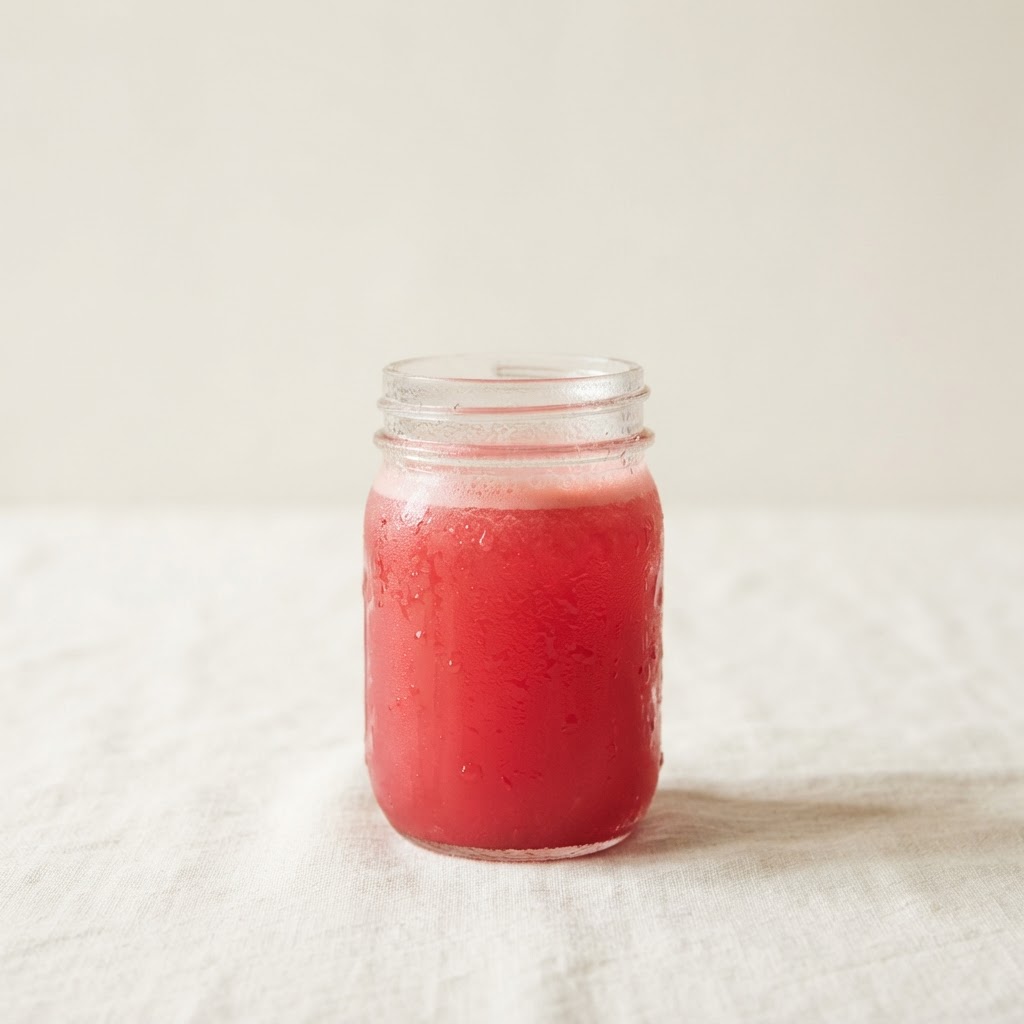
- At Memorial ParkWatermelon · mint
- Live Oak LemonadeLemon · honey
- Bayou SunriseCitrus · ginger
- The GreenwayGreens · apple
The letter doesn't write itself.
By noon the van is loaded. Trays wrapped, the press bar packed in crates, the menu taped to the dash. Somewhere across the city a room is being set: a gallery with the lights still being hung, a backyard with a borrowed tent, a boardroom that wanted something better than sandwiches.
By the time the guests arrive, the food is already there, placed and waiting. Your table, your night, your people, fed by the same hands that started before sunrise.
These days the letter is almost always written for a room.
The trays are loaded cold before the sun is up. A gallery wall to set up against, a wedding table, an office holiday with a long folding table and no kitchen.
It's carried in, placed, and covered until it's needed. Nobody notices the setup, and that's the job. Chef Pat has said the best compliment at an event is the plate that was never mentioned.
Same hands. Same 5:30. A bigger table to write to.
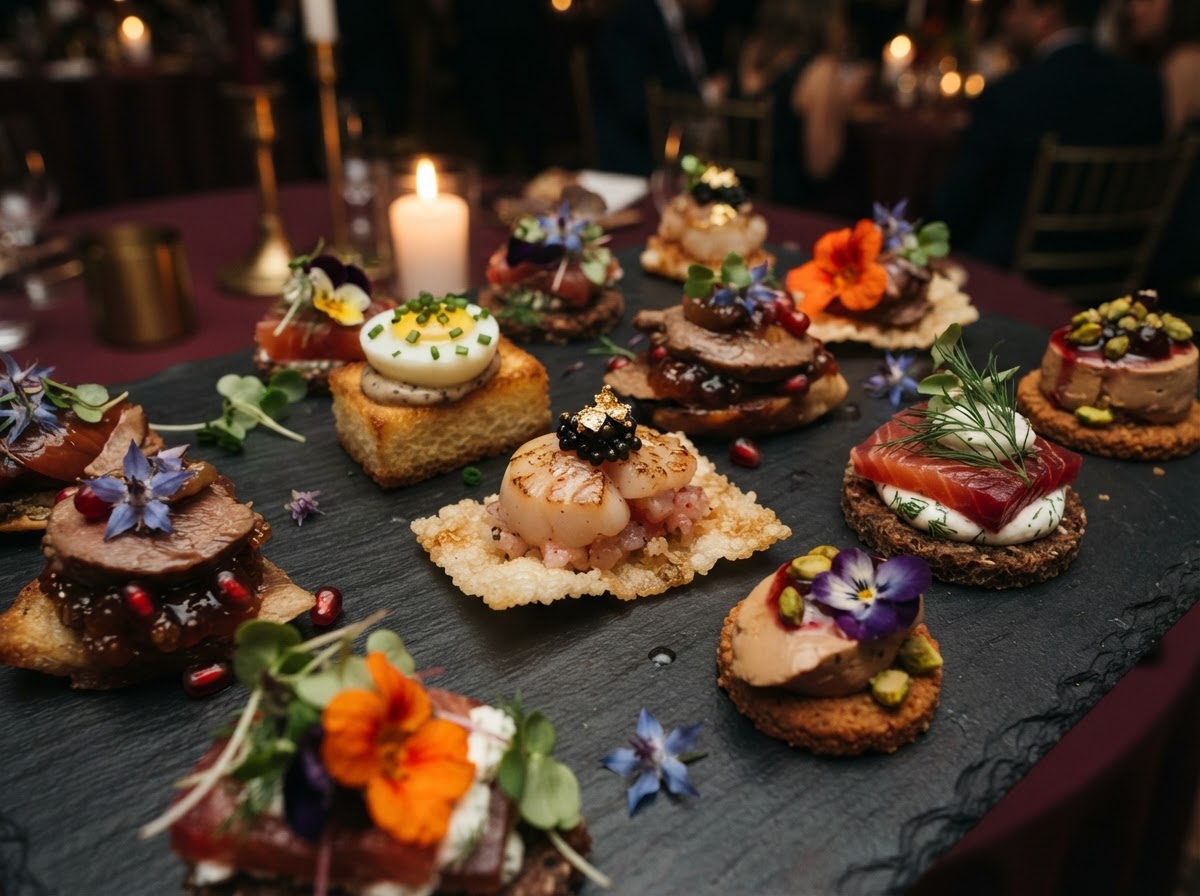
The sharp, rhythmic scrape of a knife against wood. The low hum of the refrigeration unit—a steady, industrial heartbeat—interrupted only by the sudden hiss of a burner igniting. In the silence of Houston at dawn, the kitchen is the only place speaking.
Before the Drop.
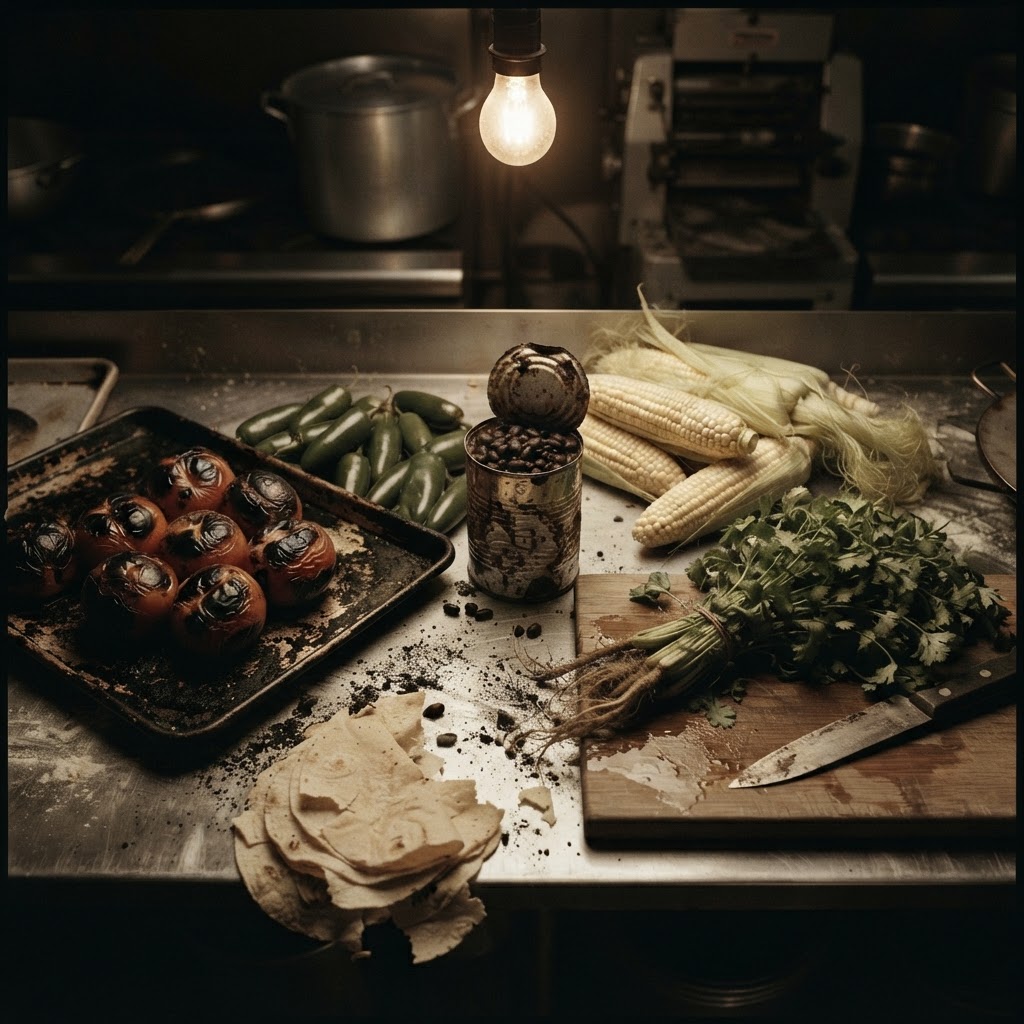
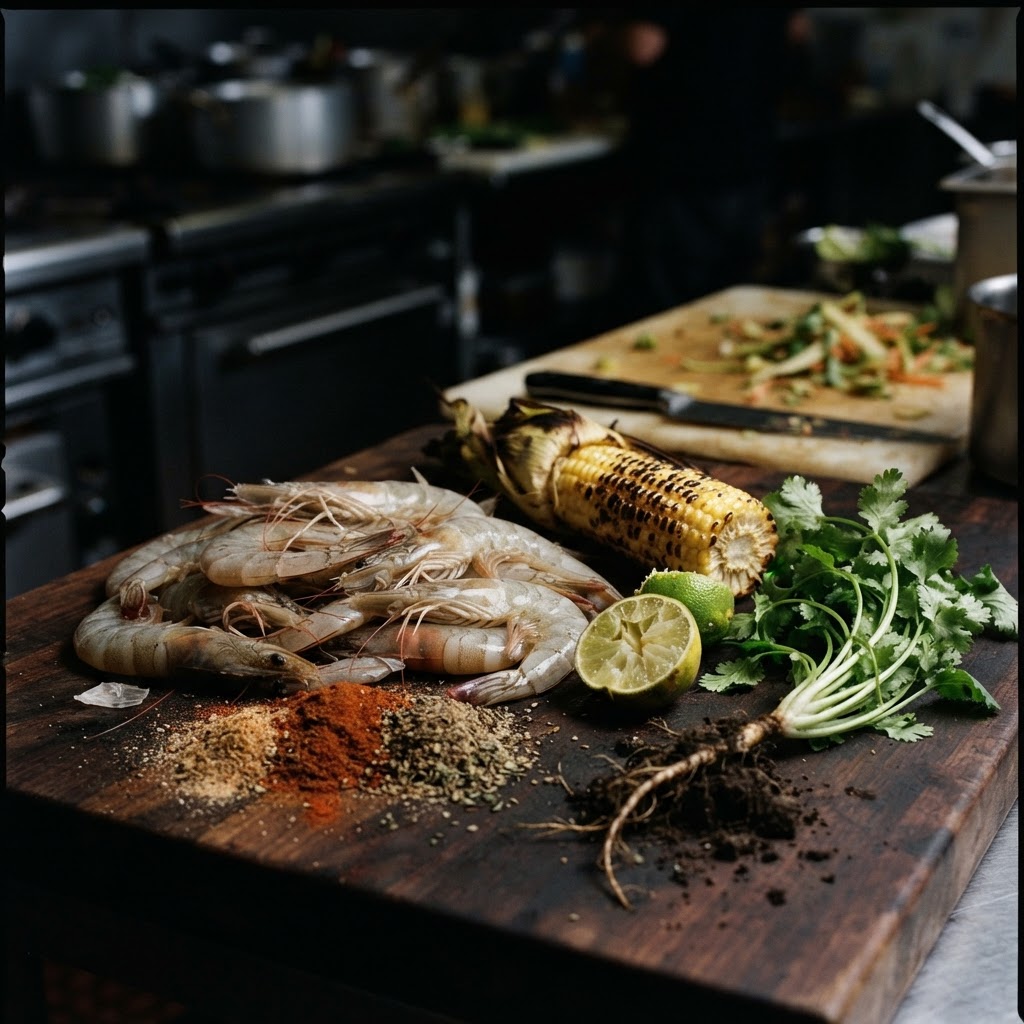
Catering is the daily work and the Press Bar travels with it. The Drop is the occasional exception, born of that same morning routine. Every Drop starts like this: one dish, one pot, Houston still dark. Chef Pat cooks it once, in a limited run, and when the last tray is gone it stays gone until the next one. Here is what the counter looked like on two of those mornings. Read it like a contact sheet, earliest light first.
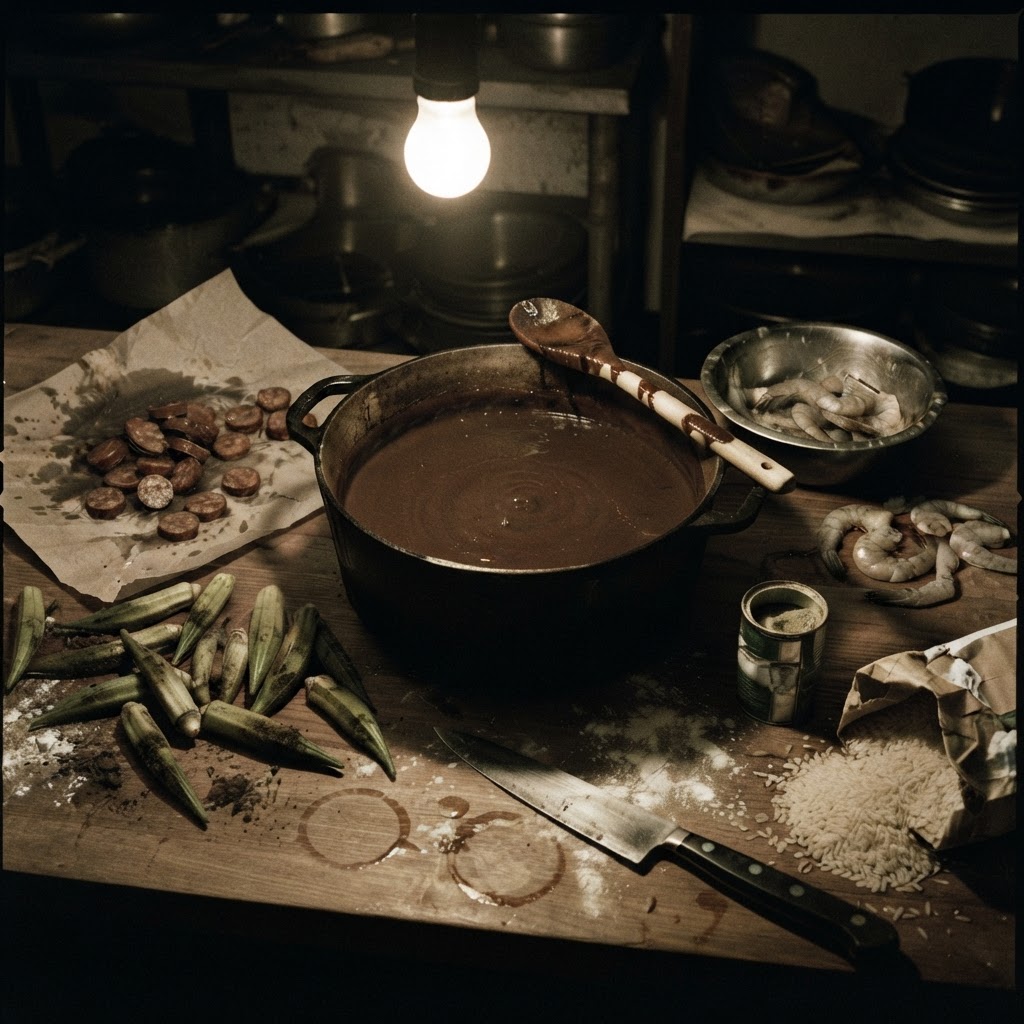
"The best plate at an event is the one nobody had to think about."
— Kitchen note, 04:52 AM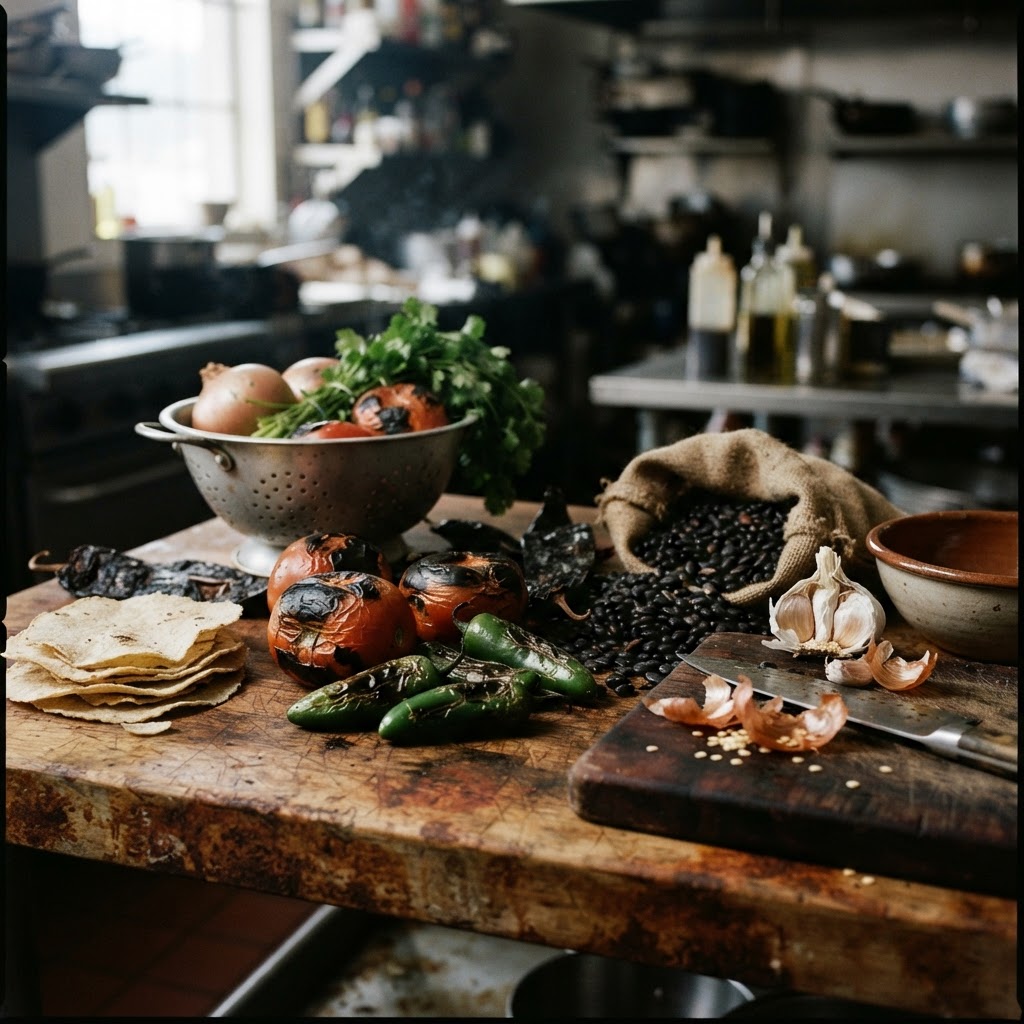
I grew up in Lafayette, Louisiana, where food isn't a meal, it's a declaration. Where what's in the pot tells you who made it, where they're from, what they carry. I learned early that cooking is correspondence. That a dish sent from a kitchen to a table is a message.
I trained in New York. I cooked in kitchens that had reputations and reservations and reviews. And then I came to you.
You don't announce yourself the way other cities do. You are the Third Ward and the Energy Corridor and Midtown and Acres Homes all at once, none of them asking permission from the others.
You don't need a chef to discover you. You've known who you are. So I cook for the rooms where you gather: the wedding, the opening, the holiday table, the Tuesday lunch for forty. I press juice at dawn and pour it that afternoon. And every so often I cook one dish, a limited run, and let it go when it's gone. Each one carries the accumulated knowledge of someone who chose, deliberately and for good, to bring it to you.
That's not a service. That's devotion.
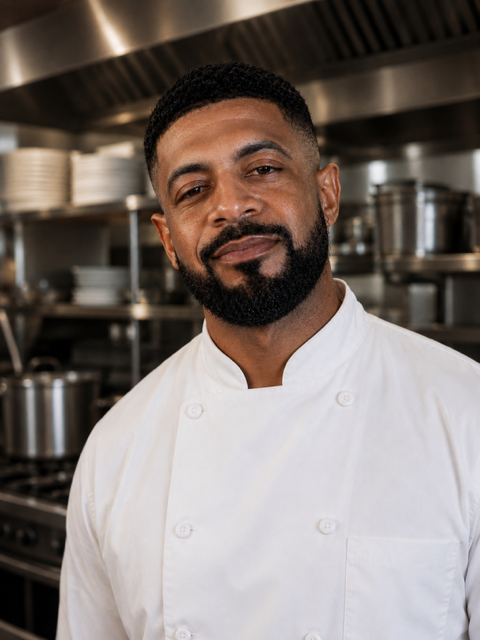
Early light, the kitchen, 5:30 AM.— Chef Pat
P.S. — We made this this morning. It won't be here tomorrow. Go get it.
With hunger and respect,
The Other Half of the Kitchen
A kitchen doesn't run on food alone — it runs on habit. While Chef Pat writes the letter every morning at 5:30, two other custodians hold the structure that lets the letter travel.
stewards the growth of the habit — scaling the city's relationship with our morning ritual so the correspondence between kitchen and Houston stays trustworthy as it grows.
architects the design of the interaction — carving out the spatial and digital systems that allow Chef Pat's letter to reach your table without losing its intimacy.
Co-Founders · Dear HoustonOne kitchen.
Three chapters.
The same hands, writing to a different kind of table.
Gourmet Catering
The heart of the kitchen now. Weddings, private dinners, corporate lunches, holiday tables, and art-world events, our specialty. We cook it in our kitchen and carry it to yours, drop-off or full-service, depending on what the room asks for.
Menus built around the room
By inquiry · heyyall@dearhou.com
The Press Bar
Cold-pressed juice, made before dawn and poured at your event. We bring the bar, the presses and the people behind it, so guests drink something that was green that morning. Built for weddings, openings, launches and long afternoons.
Bar, service and setup included
Booked by event
The Drop
Every so often, Chef Pat commits to a single dish and cooks it once, in a limited run. Announced ahead, so you have time to want it. When it's gone, it stays gone until the next one. And when it sells out, he doesn't feel vindicated. He feels heard.
Announced ahead of release
Members get first holds
The letter is still
being written.
Every morning at 5:30, Chef Pat starts again. New dish, same city, same intention. The letter continues for as long as Houston keeps writing back.
A note on your data
Dear Houston and Off Menu collect some data to run this site, and with your okay, to understand what people read. Privacy policy